

If your business needs an app but you don’t want the cost, delays, and maintenance of building separate Android and iOS apps, a Progressive Web App (PWA) could be the smartest solution.
Companies like Twitter, Starbucks, and Pinterest use PWAs to deliver fast, reliable, app-like experiences — directly from their websites.
In this article, we will dive into what PWAs are and the cost-benefits of having one.
What Is a Progressive Web App?
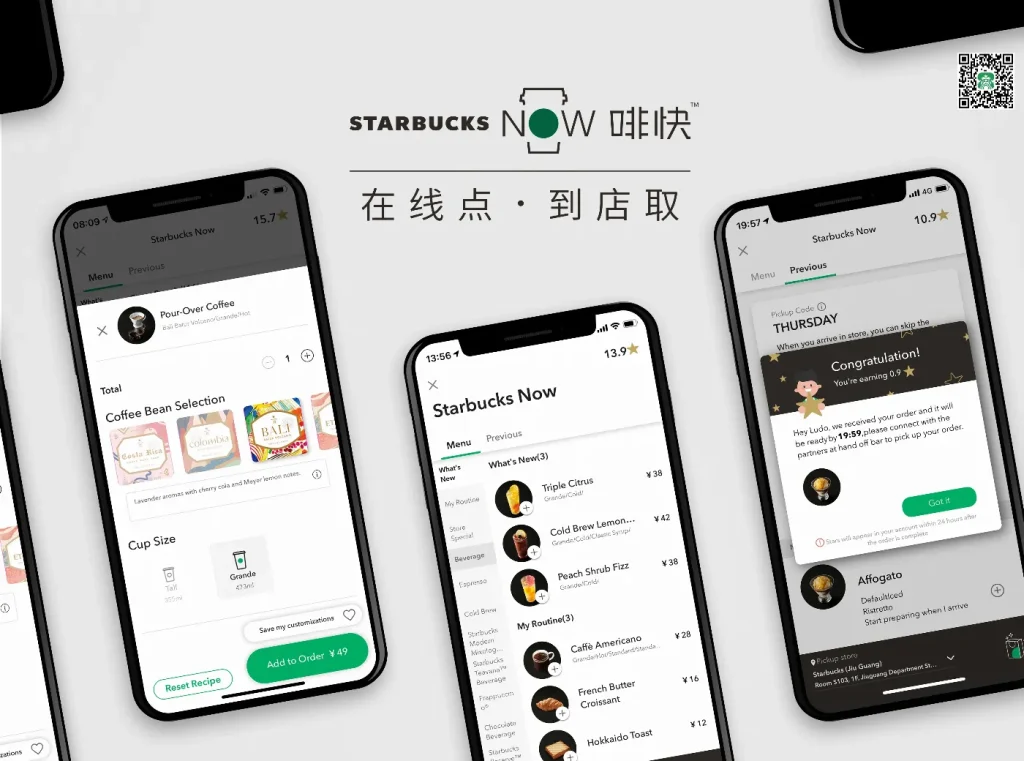
I have created some web apps, and most users ask whether a “downloadable” app is available. Although the functionality is the same, most Zimbabweans have a perception that an app is better.
A Progressive Web App is a website that behaves like a mobile app. A web app is accessed from a browser. Unlike static pages that reload, web apps are usually Single Page Apps (SPAs) that are more interactive and dynamic, e.g. online ordering, social media, online banking, booking platforms, etc.
For example, you can access X or Pinterest on a browser and also from a standalone app.
This means that if you have a single page web app you can port it to a standalone app.
It:
- Installs on a user’s phone from the browser or app stores
- Works offline or on slow internet
- Sends push notifications
- Loads extremely fast
- Feels like a native app
PWAs can be installed directly from a browser or compiled into an installable Play Store, iOS, or Windows app. This means you can list your app in App stores like Google Play Store.
Why Switch to PWAs
1. Lower Development Cost
Instead of building separate native apps for Android, iOS, or Windows, you can create separate apps from one website. For growing businesses, this is a major advantage.
You build one system that works everywhere.
That means:
- Less development time
- Lower maintenance cost
- Faster updates
2. Offline Capability
In markets where internet connectivity is unstable or expensive (like here in Zimbabwe), PWAs can be intuitive.
Your customers can:
- Browse products offline
- View previously loaded content
- Continue using the app with limited data
This increases engagement and reduces drop-offs.
3. Faster Than Traditional Websites
Speed directly impacts sales.
Studies from Google show that users leave websites that take longer than a few seconds to load.
PWAs:
- Cache important files
- Load instantly after first visit
- Feel smooth like native apps
A faster experience leads to more conversions.
4. No App Store Restrictions
With a PWA, you can choose to publish in App Stores or not.
App Stores usually require payments, approvals, compliance, etc. If you don’t want all this, users can still install your app from the browser.
5. Push Notifications
PWAs support push notifications — just like native apps.
With a PWA you can:
- Alert customers about promotions
- Send abandoned cart reminders
- Announce new products
- Drive repeat purchases
6. Better SEO & Discoverability
Unlike native apps, PWAs are indexed by search engines because they’re built from a website.
That means you get the best of both worlds:
- Customers can find your app through Google search
- Your content ranks organically
- You get both web traffic and app users
You don’t lose visibility like you do with store-only apps.
Which Businesses Benefit Most?
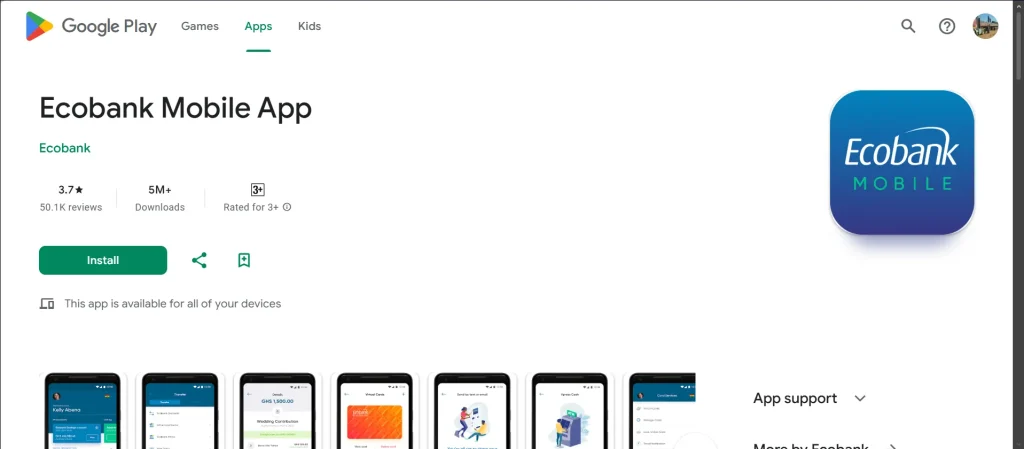
PWAs are perfect for:
- E-commerce stores
- Schools & e-learning platforms
- Service businesses
- News & content platforms
- Restaurants & delivery services
- Banking platforms
- Booking systems
- Event platforms
If your business relies on repeat visits, mobile users, or customer engagement, a PWA can significantly improve performance.
Real-World Examples
When Pinterest rebuilt its mobile experience as a PWA, they saw major improvements in engagement and sign-ups. Read: A Pinterest Progressive Web App Performance Case Study
Trivango’s engagement increased by 150% as users installed the app on their home screens.
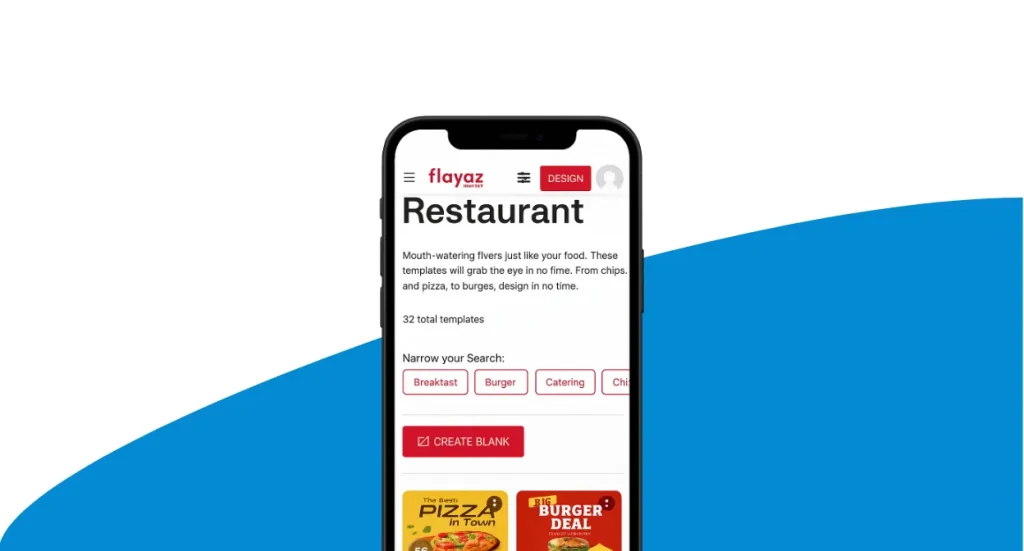
Our flagship flyer app, Flayaz, is a PWA
Is a PWA Right for Your Business?
A PWA is perfect if you:
- Want an app but can’t afford full native development costs
- Want faster load speeds
- Want offline functionality
- Want push notifications
- Want better mobile conversions
FAQs
What is PWA?
PWA (Progressive Web Apps) are installable apps that can be created from a website or web app.
Web App
A web app is a website that functions like a mobile app. These are usually single-page apps(SPAs) that are more dynamic and interactive rather than static webpages.
What’s the difference between a PWA and a Native App
A native app is an application built from an operating system’s main programming language, e.g. Java for Android, while a PWA is built from a website’s code. A PWA can offer many native app features like Push notifications, background sync, sharing, location etc.
What is Cache
A Cache is a browser-reserved space that temporarily (or permanently) stores website files.
Let’s Build Your App
Deploy Android, iOS, or Windows App from a single website and increase conversions